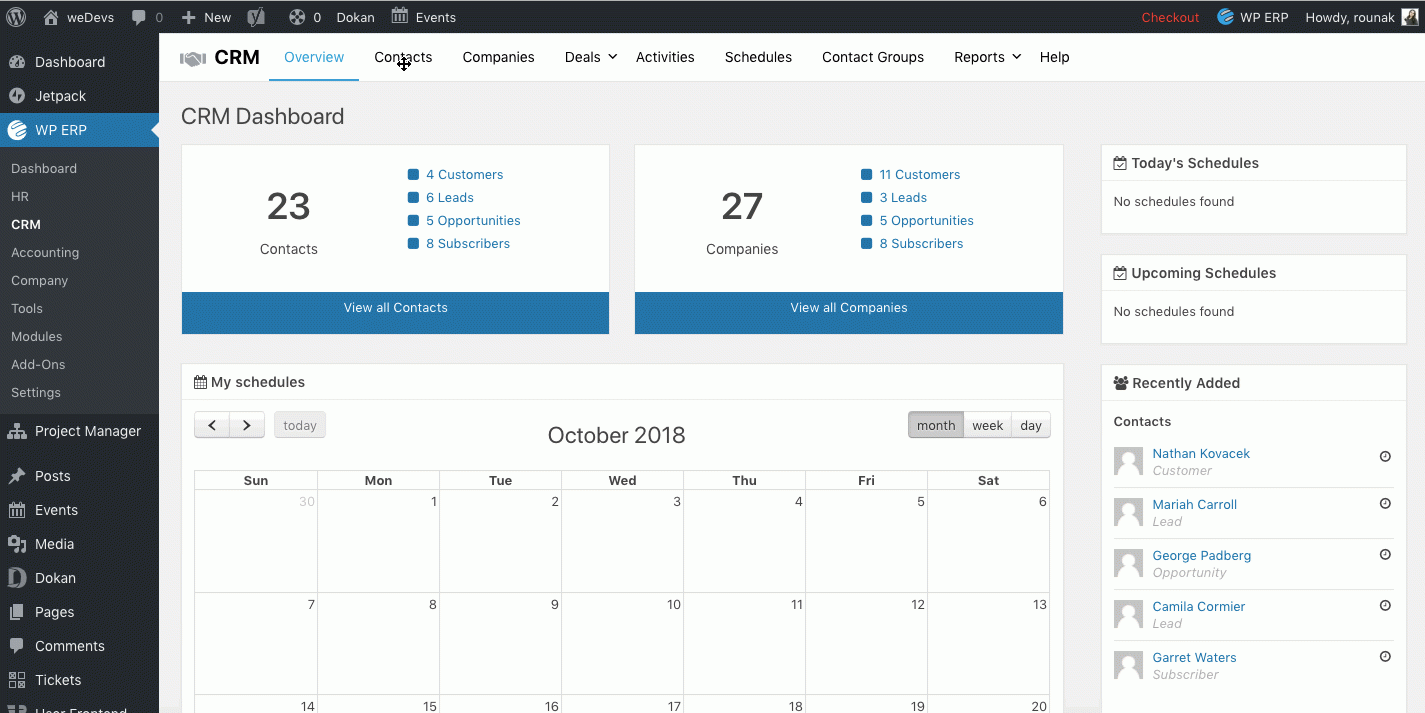
Welcome to a world where managing your online store becomes easier than ever before! Integrating your Shopify platform with an ERP system can offer a multitude of benefits for your business. From streamlined operations to improved efficiency, this dynamic duo can take your e-commerce game to the next level. Say goodbye to manual data entry and hello to automated processes that will save you time and resources. Let’s explore the advantages of integrating Shopify with an ERP system and how it can revolutionize the way you do business.

Benefits of Shopify ERP Integration
Integrating your Shopify store with an enterprise resource planning (ERP) system can provide numerous benefits for your business. A seamless integration between these two platforms allows for real-time synchronization of data, streamlining your operations and improving overall efficiency.
One of the key benefits of Shopify ERP integration is enhanced visibility and control over your business processes. By having all your data in one centralized system, you can easily track inventory levels, sales performance, and customer information. This enables you to make informed decisions and respond quickly to market trends and customer demands.
Another advantage of integrating Shopify with an ERP system is the automation of routine tasks. Manual data entry and processing can be time-consuming and prone to errors. With integration, these tasks can be automated, freeing up your employees’ time to focus on more strategic activities that can drive growth and profitability.
Furthermore, integrating Shopify with an ERP system can improve order management and fulfillment processes. Orders placed on your Shopify store can be automatically synchronized with your ERP system, ensuring accurate inventory levels and timely order processing. This reduces the risk of stockouts, backorders, and shipping delays, leading to improved customer satisfaction.
By consolidating your data in one system through Shopify ERP integration, you can also gain insights into your business performance through advanced reporting and analytics capabilities. You can easily generate customizable reports on sales, inventory, and financials to identify trends, monitor KPIs, and make data-driven decisions to drive growth.
Moreover, Shopify ERP integration can help enhance the scalability of your business. As your operations grow, managing inventory, orders, and customer data manually can become overwhelming. By automating these processes through integration, you can scale your business without increasing administrative overhead, allowing you to focus on expanding your market reach and serving more customers.
In conclusion, integrating your Shopify store with an ERP system offers a range of benefits that can help streamline your operations, improve efficiency, and drive growth. From enhanced visibility and control to automation of routine tasks and improved order management, the advantages of integration are numerous. By leveraging the power of these two platforms together, you can optimize your business processes and stay ahead of the competition in today’s fast-paced digital marketplace.
How to Choose the Right ERP System for Your Shopify Store
Choosing the right ERP system for your Shopify store is a crucial decision that can significantly impact the efficiency and effectiveness of your business operations. With a plethora of options available in the market, it can be overwhelming to sift through the various choices and find the perfect fit for your specific needs. Here are some key factors to consider when selecting an ERP system for your Shopify store:
1. Define Your Business Needs
Before you start evaluating different ERP systems, take the time to clearly define your business needs and goals. Consider the size of your business, your industry-specific requirements, and the scope of operations that you want the ERP system to support. Make a list of the essential features and functionalities that are non-negotiable for your business, as well as any specific integrations that you may require with your Shopify store. Understanding your unique business needs will help you narrow down your options and make a more informed decision.
2. Scalability and Flexibility
One of the most important factors to consider when choosing an ERP system for your Shopify store is scalability and flexibility. As your business grows and evolves, your ERP system needs to be able to adapt and grow with you. Look for a solution that can easily scale to accommodate increasing sales volumes, expanding product lines, and new business channels. Additionally, choose an ERP system that offers flexibility in terms of customization and integration capabilities. This will allow you to tailor the system to meet the specific requirements of your business and seamlessly integrate with your existing tools and platforms.
When evaluating the scalability and flexibility of an ERP system, consider factors such as the system’s architecture, performance under heavy workloads, and ability to support multiple users and locations. Look for a cloud-based ERP solution that can provide real-time data access and seamless updates, ensuring that your business processes remain efficient and responsive as you grow. Additionally, choose a system that offers modular functionality, allowing you to add or remove features as needed without disrupting your operations.
Ultimately, selecting the right ERP system for your Shopify store requires careful consideration of your business needs, future growth plans, and technology requirements. By defining your priorities, evaluating the scalability and flexibility of potential solutions, and seeking advice from experts in the field, you can make an informed decision that will support the success and growth of your online store.
Common Challenges with Shopify ERP Integration
Integrating an ERP system with a Shopify store can be a complex process that comes with its own set of challenges. While the benefits of having a centralized system to streamline operations are numerous, there are some common hurdles that businesses may face during the integration process. Below are some of the most common challenges:
1. Data Synchronization: One of the biggest challenges with integrating ERP systems with Shopify is ensuring that data is synchronized accurately between the two platforms. This includes product information, inventory levels, customer data, and order details. Any discrepancies in data can lead to confusion and errors in operations, ultimately affecting the customer experience. It is important for businesses to invest in a robust data integration solution that can ensure seamless synchronization between Shopify and their ERP system.
2. Customization and Scalability: Another challenge businesses face with Shopify ERP integration is the need for customization and scalability. Every business has its unique requirements and processes that may not be fully supported by out-of-the-box solutions. Customizations may be needed to align the ERP system with the specific needs of the Shopify store. Additionally, as businesses grow and evolve, the ERP system must be able to scale accordingly to accommodate the increased volume of transactions and data. Ensuring that the integration is flexible and can adapt to changing business needs is crucial for long-term success.
3. Integration Complexity: The integration process itself can be quite complex, especially for businesses that are new to integrating systems. From mapping data fields to configuring APIs, there are various technical aspects that need to be addressed to ensure a successful integration. Additionally, different ERP systems may require different integration approaches, adding another layer of complexity to the process. Businesses may need to work closely with experienced integration partners or consultants to navigate the technical challenges and ensure a smooth integration process.
Successful Case Studies of Shopify ERP Integration
Shopify ERP integration has proven to be a game-changer for many businesses looking to streamline their operations, improve efficiency, and drive growth. Let’s take a closer look at some successful case studies of companies that have successfully implemented Shopify ERP integration:
1. Company XYZ: Company XYZ, a leading online retailer, decided to integrate their Shopify store with an ERP system to better manage their inventory, orders, and customer data. By syncing their Shopify store with their ERP system, Company XYZ was able to automate order processing, reduce errors, and improve customer service. This integration also allowed them to gain valuable insights into their business performance and make data-driven decisions that helped them grow their revenue.
2. Company ABC: Company ABC, a fashion brand with both online and brick-and-mortar stores, integrated their Shopify store with an ERP system to centralize their sales data and inventory management. This integration enabled Company ABC to track sales across all their channels in real-time, optimize their inventory levels, and offer a seamless shopping experience to their customers. As a result, they saw a significant increase in sales and customer satisfaction.
3. Company DEF: Company DEF, a small business specializing in handmade artisanal products, decided to integrate their Shopify store with an ERP system to streamline their production process and improve order fulfillment. With the help of Shopify ERP integration, Company DEF was able to automate inventory tracking, production scheduling, and shipping logistics, resulting in faster order processing and reduced costs. This integration also allowed them to scale their business efficiently and expand their product offerings.
4. Company GHI: Company GHI, a global e-commerce company, embarked on a Shopify ERP integration journey to enhance their supply chain management and optimize their procurement process. By integrating their Shopify store with an ERP system, Company GHI was able to streamline their inventory management, track supplier performance, and forecast demand more accurately. This integration enabled them to reduce stockouts, minimize fulfillment errors, and improve their overall operational efficiency.
In conclusion, these successful case studies highlight the significant benefits of Shopify ERP integration for businesses of all sizes and industries. By leveraging the power of technology and automation, companies can improve their processes, make informed decisions, and drive sustainable growth in today’s competitive business landscape.
Best Practices for Seamless Integration of ERP with Shopify
When it comes to integrating ERP systems with your Shopify store, there are several best practices that can help ensure a seamless and successful integration. Here are some key tips to keep in mind:
1. Define Your Goals and Requirements
Before you begin the integration process, it’s important to clearly define your goals and requirements. What are you hoping to achieve with the integration? Are you looking to streamline your order management process, improve inventory management, or enhance customer service? By clearly outlining your goals, you can ensure that the integration is tailored to meet your specific needs.
2. Choose the Right ERP System
Choosing the right ERP system is crucial for a successful integration with Shopify. Make sure to research and select an ERP system that is compatible with Shopify and offers the features and functionalities that align with your business requirements. Look for a system that can easily synchronize data between your ERP and Shopify store, allowing for seamless communication and efficiency.
3. Ensure Data Accuracy and Consistency
One of the biggest challenges during ERP integration is maintaining data accuracy and consistency. To avoid any discrepancies or errors in your systems, make sure to regularly audit and clean your data. Implement data validation processes to ensure that information is entered correctly, and establish data governance policies to maintain data quality over time.
4. Test the Integration Thoroughly
Prior to fully implementing the ERP integration with Shopify, it’s essential to thoroughly test the integration to identify and resolve any potential issues. Conduct extensive testing to ensure that data is being accurately synced between the two systems, and that all functionalities are working as expected. Testing should include scenarios such as order processing, inventory updates, and customer data synchronization.
5. Provide Training and Support for Staff
Once the ERP integration with Shopify is in place, it’s important to provide comprehensive training and support for your staff. Ensure that your team members are well-equipped to understand and navigate the new system, and offer ongoing support to address any questions or issues that may arise. By investing in employee training, you can maximize the benefits of the ERP integration and improve overall efficiency within your organization.
Originally posted 2025-01-12 15:58:37.