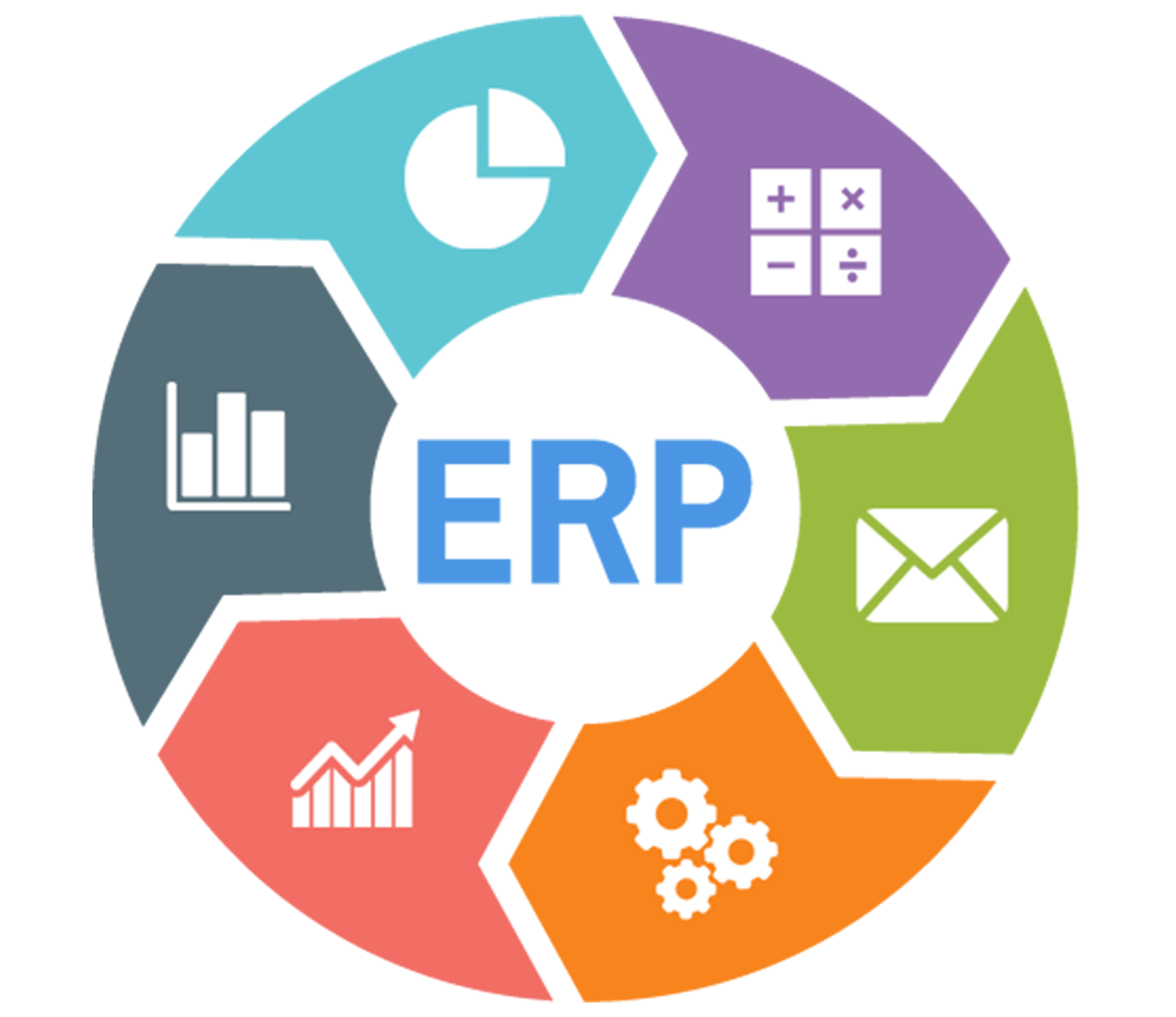
The Ultimate Guide to Finding the Best ERP System for Small Manufacturing Businesses
Welcome, small manufacturing business owners! Are you overwhelmed with trying to find the perfect ERP system for your operations? Look no further, because in this ultimate guide, we will walk you through the process of selecting the best ERP system for your specific needs. From analyzing your business requirements to comparing different software options, we’ve got you covered. Let’s simplify the complex world of ERP systems together!
Cost-effective ERP Solutions for Small Manufacturing Businesses
When it comes to small manufacturing businesses, finding cost-effective ERP solutions is crucial for efficient operations and growth. Traditional ERP systems can be expensive and complicated to implement, making them unsuitable for smaller companies with limited budgets and resources. However, there are several affordable and user-friendly ERP solutions tailored for the specific needs of small manufacturing businesses.
One popular cost-effective ERP solution for small manufacturing businesses is Odoo. Odoo offers a modular approach to ERP, allowing businesses to select and pay only for the modules they need. This flexibility makes Odoo an attractive option for small manufacturers looking to streamline their operations without breaking the bank. Additionally, Odoo’s open-source nature means that businesses can customize and adapt the system to their unique requirements.
Another affordable ERP solution for small manufacturing businesses is QuickBooks Enterprise. While primarily known as an accounting software, QuickBooks Enterprise also offers basic ERP functionality such as inventory management and supply chain optimization. This makes it a convenient and cost-effective option for small manufacturers looking to consolidate their financial and operational processes in one system.
ERPNext is another cost-effective ERP solution tailored for small manufacturing businesses. With its user-friendly interface and comprehensive modules for inventory management, production planning, and quality control, ERPNext is an ideal choice for small manufacturers looking to automate and streamline their processes without breaking the bank. Additionally, ERPNext offers cloud-based deployment options, making it accessible and affordable for small businesses with limited IT infrastructure.
For small manufacturing businesses looking for a cloud-based ERP solution, NetSuite is worth considering. NetSuite offers a scalable and customizable ERP solution with modules for production management, supply chain optimization, and financial planning. While NetSuite may be more expensive than other options, its cloud-based deployment and subscription pricing model make it a cost-effective choice for small manufacturers looking to scale their operations in the future.
In conclusion, small manufacturing businesses looking for cost-effective ERP solutions have several options to choose from. Whether it’s Odoo’s modular approach, QuickBooks Enterprise’s all-in-one functionality, ERPNext’s user-friendly interface, or NetSuite’s cloud-based scalability, there is a suitable ERP solution for every budget and requirement. By investing in the right ERP system, small manufacturers can streamline their operations, improve efficiency, and position themselves for growth in the competitive manufacturing industry.
Customization Options for Small Manufacturing Operations
When it comes to choosing an ERP system for a small manufacturing business, customization options play a crucial role in optimizing efficiency and meeting specific operational needs. Fortunately, many ERP solutions on the market offer a range of customization options that cater to the unique requirements of small manufacturing operations.
One key aspect of customization for small manufacturing businesses is the ability to tailor the ERP system to suit the specific workflows and processes of the individual business. This might involve customizing modules, fields, and reports to align with the unique requirements of the manufacturing operation. For example, a small manufacturing business that specializes in custom orders may require specialized order processing workflows that differ from standard manufacturing processes. With a customizable ERP system, businesses can adapt the software to accommodate these specific needs, improving operational efficiency and accuracy.
Another important customization option for small manufacturing operations is the ability to integrate third-party applications and tools. Many ERP systems offer integration capabilities that allow businesses to connect their ERP system with other software solutions used in their operations, such as inventory management systems, quality control tools, or customer relationship management (CRM) software. By integrating these tools with the ERP system, small manufacturing businesses can streamline processes, reduce manual data entry, and improve data accuracy across the board.
Additionally, small manufacturing businesses may benefit from customizable reporting and analytics capabilities within their ERP system. Customizable reports allow businesses to generate insights and monitor key performance indicators (KPIs) that are specific to their manufacturing processes. For example, a small manufacturing business may want to track production line efficiency, order accuracy rates, or inventory turnover ratios. With customizable reporting tools, businesses can create dashboards and reports that provide real-time insights into these critical metrics, enabling better decision-making and performance monitoring.
Finally, flexibility in deployment options is another important customization consideration for small manufacturing operations. Many ERP systems offer a range of deployment options, including on-premises, cloud-based, and hybrid solutions. Small manufacturing businesses can choose the deployment option that best aligns with their budget, IT infrastructure, and security requirements. For example, a small manufacturing business with limited IT resources may opt for a cloud-based ERP solution to reduce the burden of managing software updates and maintenance.
In conclusion, customization options are essential for small manufacturing businesses to optimize their ERP systems and meet their specific operational needs. By choosing an ERP system that offers robust customization capabilities, small manufacturing operations can improve efficiency, accuracy, and decision-making across their entire organization.
Enhanced Inventory Management with ERP Systems
One of the key benefits of implementing an ERP system in a small manufacturing business is the enhanced inventory management capabilities it offers. With an ERP system in place, businesses can track and manage their inventory in real-time, leading to more accurate stock levels and reduced stockouts. This can help businesses avoid overstocking or understocking, ultimately saving them money and ensuring that they always have the right amount of inventory on hand.
ERP systems also allow businesses to set up automated alerts and notifications for low stock levels, helping them stay on top of their inventory and prevent any disruptions in production. By having visibility into their inventory levels at all times, small manufacturing businesses can make more informed decisions about when to reorder stock and how much to order, leading to more efficient inventory management.
Another advantage of using an ERP system for inventory management is the ability to track and trace inventory throughout the supply chain. This can be especially important for small manufacturing businesses that rely on timely deliveries of raw materials to keep production running smoothly. With an ERP system, businesses can easily track the movement of inventory from suppliers to production facilities to customers, ensuring that they have full visibility into their supply chain and can address any issues that may arise.
Furthermore, ERP systems can help small manufacturing businesses optimize their inventory levels by providing detailed reports and analytics on inventory performance. By analyzing inventory turnover rates, carrying costs, and other key metrics, businesses can identify areas for improvement and make data-driven decisions to enhance their inventory management strategies.
In conclusion, implementing an ERP system can greatly enhance inventory management for small manufacturing businesses. With real-time tracking capabilities, automated alerts, supply chain visibility, and detailed analytics, ERP systems provide the tools needed to optimize inventory levels, reduce costs, and improve overall operational efficiency. By leveraging the power of ERP for inventory management, small manufacturing businesses can gain a competitive edge in the market and set themselves up for long-term success.
Streamlining Production Processes with ERP Software
When it comes to running a small manufacturing business, efficiency is key. One way to achieve this is by implementing ERP software. ERP, or Enterprise Resource Planning, is a type of software that integrates various business functions such as accounting, procurement, inventory management, and production planning into one centralized system. By streamlining production processes with ERP software, small manufacturing businesses can greatly improve their productivity and profitability.
One of the main benefits of using ERP software in production processes is the ability to automate and optimize workflows. This means that tasks such as inventory management, order processing, and production scheduling can all be handled more efficiently and accurately. For example, ERP software can help businesses track raw materials, work-in-progress goods, and finished products in real-time, ensuring that production runs smoothly and on schedule.
In addition to automating workflows, ERP software also provides valuable insights and analytics that can help small manufacturing businesses make more informed decisions. By tracking key performance indicators (KPIs) such as production costs, lead times, and inventory levels, businesses can identify areas for improvement and implement strategies to increase efficiency and reduce costs. This can ultimately lead to higher profits and a competitive edge in the market.
Furthermore, ERP software can improve communication and collaboration among different departments within a small manufacturing business. For example, production managers can easily communicate with purchasing managers to ensure that raw materials are ordered in a timely manner, or with sales managers to coordinate production schedules based on customer demand. This level of transparency and collaboration can help businesses avoid errors and delays, leading to smoother production processes and happier customers.
Overall, streamlining production processes with ERP software can have a significant impact on the success of a small manufacturing business. By automating workflows, providing valuable insights and analytics, and improving communication and collaboration, ERP software can help businesses increase efficiency, reduce costs, and ultimately thrive in a competitive market. So, if you’re looking to take your small manufacturing business to the next level, consider implementing ERP software to streamline your production processes and drive success.
Integrating Financials and Sales into ERP Platforms for Small Manufacturers
When it comes to running a small manufacturing business, it is crucial to have a fully integrated ERP system that combines financials and sales functions. By having these two aspects integrated within the ERP platform, small manufacturers can streamline their operations, improve efficiency, and make better-informed business decisions.
Integrating financials into an ERP system allows small manufacturers to have real-time visibility into their financial health. This includes tracking expenses, managing cash flow, and generating financial reports. With this information readily available, manufacturers can make informed decisions about budgeting, forecasting, and investing in the growth of their businesses.
Additionally, by integrating sales functions into the ERP platform, small manufacturers can streamline their sales processes and improve customer relations. Sales integration allows manufacturers to track sales orders, manage customer relationships, and analyze sales data. This information can help manufacturers identify sales trends, target new markets, and improve overall sales performance.
Furthermore, having financials and sales integrated within the ERP system provides small manufacturers with a complete view of their business operations. This holistic approach enables manufacturers to make strategic decisions that align with their financial goals and sales targets. It also ensures that all departments within the organization are working towards the same objectives, promoting collaboration and efficiency.
One of the key benefits of integrating financials and sales into the ERP platform is improved data accuracy and consistency. With all financial and sales data stored in a centralized database, there is less room for errors and discrepancies. This ensures that decision-makers have access to reliable and up-to-date information, which is essential for making sound business decisions.
Additionally, integrating financials and sales into the ERP platform can lead to cost savings for small manufacturers. By streamlining processes and improving efficiency, manufacturers can reduce manual data entry, eliminate redundant tasks, and minimize the risk of errors. This not only saves time but also reduces operational costs, allowing manufacturers to allocate resources more effectively.
In conclusion, integrating financials and sales into ERP platforms for small manufacturers is essential for streamlining operations, improving efficiency, and making better-informed business decisions. By having a fully integrated ERP system, small manufacturers can optimize their financial health, enhance sales performance, and achieve their business goals more effectively.
Originally posted 2025-01-10 13:23:16.