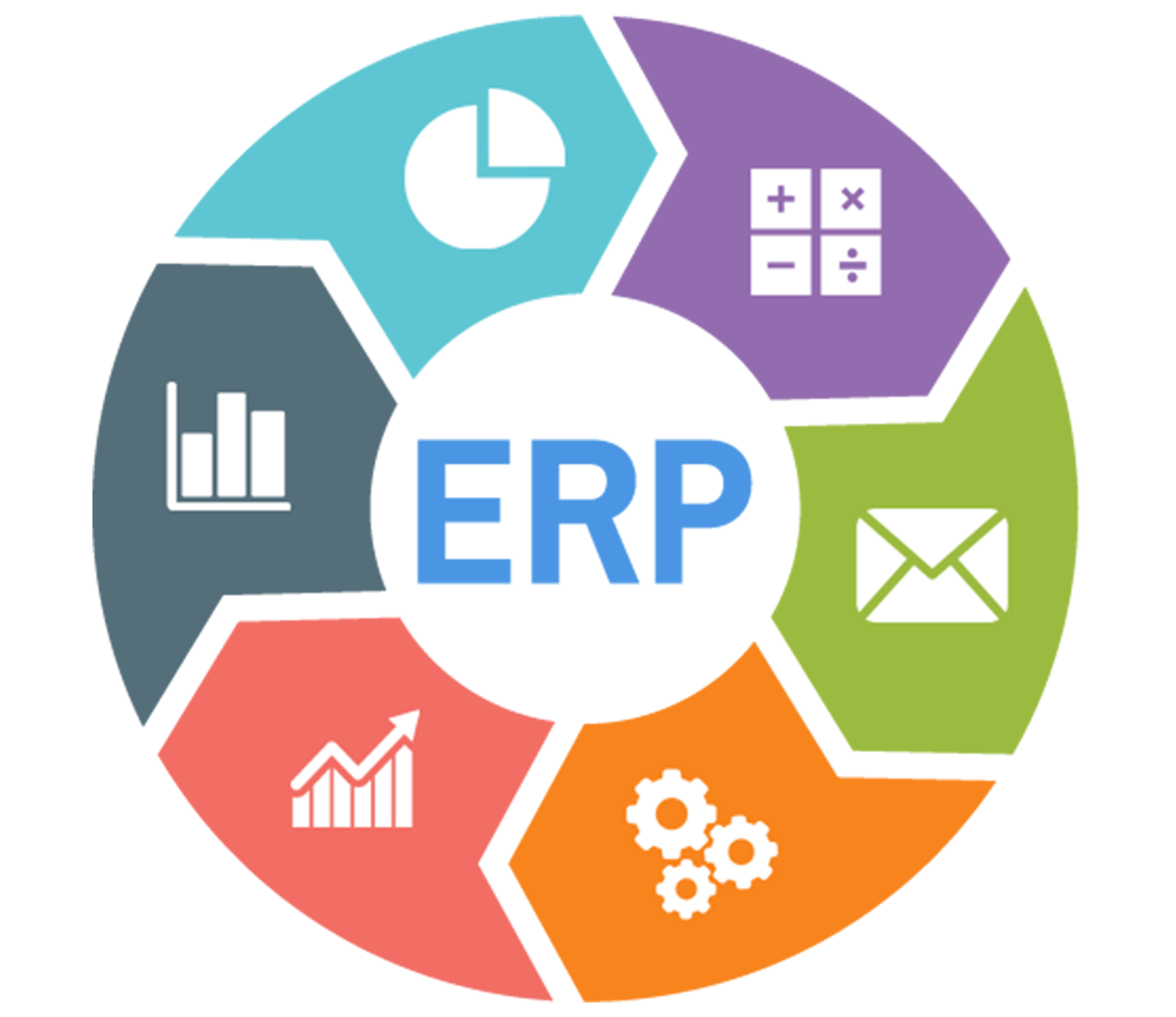
Welcome to a guide on the key features of an ERP system! An Enterprise Resource Planning (ERP) system is a powerful tool that integrates various business functions and processes into one comprehensive platform. From managing finances to streamlining operations, an ERP system offers a wide range of features that can help businesses improve efficiency and productivity. Let’s delve into some of the essential features that make an ERP system a valuable asset for any organization.
Integration of Business Processes
One of the key features of an ERP system is its ability to integrate various business processes within an organization. This integration allows for seamless communication and collaboration between different departments, ultimately leading to increased efficiency and productivity.
By centralizing data and streamlining processes, an ERP system eliminates the need for manual data entry and reduces the risk of errors. This not only saves time but also ensures that information is accurate and up-to-date across the entire organization.
With an ERP system, departments such as finance, human resources, and operations can easily share information and work together towards common goals. For example, when a sales order is processed, the finance department can automatically generate an invoice, and the inventory department can update stock levels in real-time.
Furthermore, an ERP system provides a holistic view of the organization by consolidating data from different sources and presenting it in a unified format. This allows managers to make informed decisions based on accurate and timely information, leading to better business outcomes.
Another benefit of integrating business processes through an ERP system is improved customer service. With all departments working in sync, customers can expect faster response times, accurate order processing, and personalized interactions. This ultimately leads to higher customer satisfaction and loyalty.
Overall, the integration of business processes through an ERP system is crucial for modern organizations looking to stay competitive in today’s fast-paced business environment. By streamlining communication, centralizing data, and promoting collaboration, an ERP system allows businesses to operate more efficiently, make better decisions, and ultimately drive growth and success.
Real-time Data Access
One of the key features of an ERP system is the ability to provide real-time data access to users. This means that users can access up-to-date information at any given moment, without having to wait for batch processing or manual data entry to update the system. Real-time data access allows for quicker decision-making and more accurate insights into business operations.
With real-time data access, users can track inventory levels, monitor sales performance, and analyze production schedules in real-time. This helps organizations to respond quickly to changes in demand, identify areas for improvement, and optimize business processes for better efficiency.
Real-time data access is especially important for businesses that operate in fast-paced industries, where decisions need to be made quickly in order to stay competitive. For example, an e-commerce company may need to monitor website traffic and sales in real-time to make adjustments to promotions or inventory levels. With an ERP system providing real-time data access, this information is readily available and can be analyzed to make informed decisions on the spot.
Another benefit of real-time data access is improved collaboration among team members. With everyone accessing the same up-to-date information, there is no need to manually update spreadsheets or share information via email. This reduces the risk of errors and ensures that all team members are working with the most current data available.
Overall, real-time data access is a crucial feature of an ERP system that can help businesses stay competitive, make informed decisions, and improve collaboration among team members. By providing users with up-to-date information at all times, an ERP system enables organizations to operate more efficiently and effectively in today’s fast-paced business environment.
Scalability and Flexibility
One of the key features of an ERP system is its scalability and flexibility. When we talk about scalability, we’re referring to the system’s ability to grow and adapt to the changing needs of a business. This means that as a company expands or experiences changes in its operations, the ERP system can easily accommodate these shifts without requiring a complete overhaul. This is particularly important for fast-growing businesses or those with fluctuating demand, as it allows them to scale their operations without worrying about outgrowing their system.
Additionally, flexibility is another critical aspect of an ERP system. A system that is flexible can be customized to meet the specific needs and processes of a business. This means that companies can tailor the ERP system to fit their unique workflows, industry requirements, and business objectives. This level of customization ensures that the ERP system aligns with the company’s operations, rather than forcing the company to conform to the limitations of the software.
Furthermore, the flexibility of an ERP system extends beyond just customization. It also refers to the system’s ability to integrate with other software applications and technologies. For example, a flexible ERP system can easily connect with a company’s existing CRM system, e-commerce platform, or supply chain management software. This integration streamlines processes, eliminates data silos, and provides a seamless flow of information across different departments and systems.
Moreover, a flexible ERP system can adapt to changes in the business environment, such as regulatory requirements, market trends, or technological advancements. This adaptability ensures that the system remains relevant and effective in supporting the company’s operations in a dynamic and competitive landscape. Companies can stay ahead of the curve by quickly deploying new features, modules, or functionalities to address emerging challenges or capitalize on opportunities.
In conclusion, the scalability and flexibility of an ERP system are crucial to ensuring its long-term success and value to a business. A system that can grow, adapt, and evolve alongside the company’s operations provides the agility and resilience needed to thrive in an ever-changing business landscape. By investing in an ERP system with robust scalability and flexibility, companies can future-proof their operations and drive sustainable growth and innovation.
Customization and Modular Design
One of the key features of an ERP system is the ability to customize the software to meet the specific needs of a business. Customization allows companies to tailor the system to their unique processes, workflows, and requirements, ensuring that it aligns perfectly with their operations. Whether it’s adding new fields, creating custom reports, or integrating with third-party applications, customization empowers businesses to make the ERP system their own.
Modular design is another important aspect of ERP systems that contributes to their flexibility and scalability. A modular ERP system is composed of different modules or components that can be added, removed, or customized independently of each other. This means that businesses can start with a basic set of modules and then add more as their needs grow and evolve. For example, a company might start with modules for finance and human resources and later add modules for inventory management and customer relationship management.
Customization and modular design go hand in hand in an ERP system, allowing businesses to tailor the software to their specific needs while also ensuring that it can adapt and scale as those needs change over time. This flexibility is particularly valuable for businesses that operate in rapidly changing industries or that have unique requirements that off-the-shelf ERP systems may not fully address.
One of the benefits of customization and modular design in an ERP system is that it can help businesses streamline their processes and improve efficiency. By customizing the system to match their workflows and requirements, companies can eliminate unnecessary steps, automate repetitive tasks, and ensure that data flows smoothly throughout the organization. This can lead to cost savings, increased productivity, and better decision-making, as employees have access to accurate, up-to-date information when they need it.
Furthermore, the modular nature of ERP systems means that businesses can easily expand and adapt their software as their needs change. Instead of investing in a completely new system, companies can simply add new modules or customize existing ones to meet their evolving requirements. This not only saves time and money but also ensures that the ERP system remains relevant and effective in the long term.
In conclusion, customization and modular design are essential features of ERP systems that empower businesses to tailor the software to their specific needs, streamline their processes, and adapt to changing requirements. By leveraging these capabilities, companies can optimize their operations, improve efficiency, and stay competitive in today’s fast-paced business environment.
Enhanced Decision Making and Reporting
One of the key features of an ERP system is its ability to enhance decision-making and reporting within an organization. By consolidating data from various departments and functions into a centralized system, ERP systems provide real-time access to critical information. This enables decision-makers to have a comprehensive view of the organization’s operations and performance, leading to more informed and strategic decision-making.
With ERP systems, reporting becomes more efficient and accurate. Users can generate customizable reports quickly and easily, without the need for manual data manipulation. This not only saves time but also ensures that reports are based on up-to-date and reliable data. Moreover, ERP systems offer various analytical tools and dashboards that allow users to visualize data in a meaningful way, making it easier to identify trends, patterns, and areas for improvement.
Another advantage of ERP systems in enhancing decision-making is the ability to forecast and model various scenarios. By analyzing historical data and predicting future trends, ERP systems help organizations anticipate potential outcomes and make more proactive decisions. This can be particularly useful in competitive industries where staying ahead of the curve is crucial.
Furthermore, ERP systems streamline communication and collaboration among different departments. With a centralized system in place, employees can easily share information, collaborate on projects, and track progress in real-time. This ensures that everyone is on the same page and working towards common goals, which ultimately leads to better decision-making and overall organizational success.
In conclusion, the enhanced decision-making and reporting capabilities of ERP systems play a crucial role in driving organizational efficiency and competitiveness. By providing real-time access to critical information, simplifying reporting processes, enabling data visualization, facilitating forecasting, and improving communication and collaboration, ERP systems empower organizations to make informed decisions that drive growth and success.
Originally posted 2025-01-15 00:00:27.