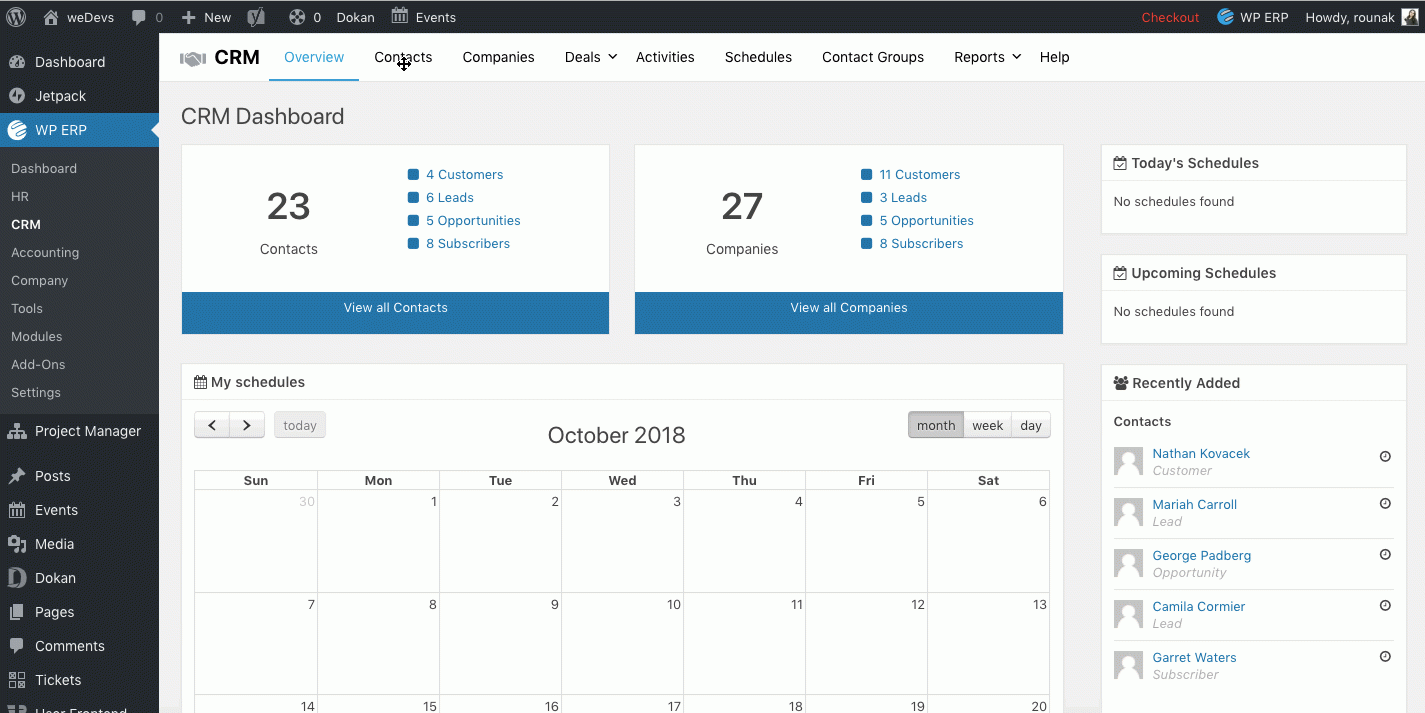
Welcome, fellow business enthusiasts! If you’re in the market for an ERP software demo, look no further. An ERP (Enterprise Resource Planning) system can revolutionize the way your company operates, streamlining processes, improving efficiency, and boosting productivity. But before you dive headfirst into selecting a solution, it’s crucial to understand the essentials of an ERP software demo. This demo will serve as your firsthand look at how the software functions and whether it aligns with your business needs. So, sit back, relax, and let’s dive into the world of ERP software demos!
Planning the ERP Software Demo
When planning an ERP software demo, it is important to have a clear understanding of the goals and objectives you want to achieve from the demo. Start by identifying the key features and functionalities that are most important to your organization. This will help you tailor the demo to focus on these specific areas and ensure that your team gets a thorough understanding of how the software can meet your business needs.
Next, consider who will be attending the demo. Make sure to invite key stakeholders from different departments within your organization to ensure that everyone’s needs and requirements are being addressed. It is also important to include end-users who will be directly using the software so they can provide valuable feedback during the demo.
Once you have identified the key features and attendees, it is important to work closely with the ERP software vendor to create a customized demo that highlights these specific areas. Provide the vendor with detailed information about your business processes, challenges, and objectives so they can tailor the demo to meet your unique needs.
When scheduling the demo, make sure to allow enough time for a thorough walkthrough of the software. Avoid trying to cram too much information into a short demo, as this can overwhelm your team and make it difficult to fully grasp the capabilities of the software. Consider breaking the demo into smaller sessions if needed to ensure that each feature is thoroughly demonstrated and understood.
During the demo, encourage attendees to ask questions and provide feedback. This will help ensure that everyone is engaged and that the demo is meeting their needs and expectations. Make sure to take notes on any feedback or questions raised during the demo so that you can address them afterward and make any necessary adjustments.
Finally, after the demo is complete, take the time to debrief with your team and the ERP software vendor. Discuss what went well during the demo, as well as any areas that may need improvement. Use this feedback to refine your demo process for future demonstrations and to make an informed decision about whether the ERP software is the right fit for your organization.
Navigating the ERP Software Demo
When it comes to navigating through an ERP software demo, it’s important to keep a few key points in mind to ensure you get the most out of the experience. The demo is your opportunity to see the software in action and understand how it can benefit your business, so it’s crucial to approach it with a clear mindset. Here are some tips to help you navigate through the ERP software demo smoothly:
1. Prepare questions in advance: Before the demo begins, take some time to think about what you want to learn from the software. Are there specific features or functionalities that are important to your business? Write down a list of questions to ask during the demo so that you can get all the information you need.
2. Stay engaged and take notes: During the demo, make sure to stay engaged and actively participate. Take notes on key points, features, and functionalities that are demonstrated. This will help you remember the details later and compare different software options more effectively. It’s also a good idea to jot down any questions that arise during the demo so you can ask them at the end.
3. Request a personalized demo: If possible, try to request a personalized demo that focuses on the specific needs of your business. This will allow you to see how the software can address your unique challenges and requirements. A generic demo may not provide a complete picture of how the software can benefit your organization, so a personalized demo can be more insightful.
4. Test functionalities: Don’t be afraid to test out the functionalities of the ERP software yourself during the demo. This hands-on approach can give you a better understanding of how the software works and whether it is intuitive and easy to use. Ask the presenter if you can explore certain features or scenarios that are relevant to your business.
5. Evaluate the vendor: Pay attention to the vendor’s communication style, responsiveness, and willingness to address your questions and concerns. A good vendor will be transparent, supportive, and focused on helping you make an informed decision. Take note of how the vendor interacts with you during the demo as it can be indicative of the level of support you can expect in the future.
By following these tips, you can navigate through an ERP software demo effectively and make a more informed decision about which software is the best fit for your business. Remember to stay engaged, ask questions, and test out the functionalities to ensure that you get a comprehensive understanding of the software’s capabilities.
Customizing the ERP Software Demo
When it comes to presenting an ERP software demo, customization is key. Tailoring the demo to meet the specific needs and requirements of the audience can greatly enhance its effectiveness. Here are some ways to customize your ERP software demo:
1. Understanding Your Audience: Before you even begin preparing your ERP software demo, it’s crucial to have a clear understanding of who will be attending. Are they upper management looking for an overview of the software’s capabilities? Or are they end-users who need to see how the software will streamline their daily tasks? By knowing your audience, you can customize the demo to focus on the features and benefits that are most relevant to them.
2. Highlighting Key Features: Not all features of an ERP software may be relevant to every audience member. For example, a CFO may be more interested in the financial reporting capabilities, while a production manager may be focused on inventory management. Tailor your demo to highlight the key features that will resonate most with your audience, and show them how the software can address their specific pain points.
3. Demonstrating Real-Life Scenarios: One of the most effective ways to customize an ERP software demo is to demonstrate how the software can solve real-life scenarios that the audience may encounter. For example, if you know that the audience is struggling with inventory management, show them how the software can streamline the process and improve efficiency. By showing tangible examples of how the software can benefit their daily operations, you can make a stronger case for its implementation.
4. Incorporating Branding Elements: Another way to customize your ERP software demo is to incorporate branding elements that resonate with the audience. Use company colors, logos, and terminology to make the demo feel more personal and relevant to the audience. This can help create a stronger connection between the audience and the software, making it more likely that they will see its value.
5. Allowing for Interactivity: Finally, consider incorporating interactivity into your ERP software demo to further customize the experience for your audience. Allow attendees to ask questions, provide feedback, and even test out the software themselves. This hands-on approach can help attendees feel more engaged and invested in the demo, increasing the likelihood of a successful outcome.
Overall, customizing your ERP software demo is essential for making a strong impression on your audience and effectively showcasing the benefits of the software. By understanding your audience, highlighting key features, demonstrating real-life scenarios, incorporating branding elements, and allowing for interactivity, you can create a demo that resonates with your audience and drives home the value of the ERP software.
Integrating the ERP Software Demo
When it comes to integrating the ERP software demo into your existing systems, there are several key considerations to keep in mind. Firstly, it’s important to ensure that the demo version of the software is compatible with your organization’s current hardware and software infrastructure. This may involve working closely with your IT department to determine any potential compatibility issues and address them before moving forward.
Additionally, integrating the ERP software demo may also require thorough testing to ensure that all functionalities work as expected. This testing phase is crucial for identifying any potential bugs or issues that may arise during the integration process. By thoroughly testing the software demo, you can ensure a smooth transition to the full version of the software once it’s implemented.
Another important aspect of integrating the ERP software demo is training your staff on how to use the new system effectively. This may involve providing comprehensive training sessions for key employees who will be responsible for using the software on a daily basis. By investing in proper training, you can ensure that your staff are fully equipped to leverage the full capabilities of the ERP software demo and maximize its potential benefits for your organization.
Furthermore, it’s important to consider the impact of integrating the ERP software demo on your business processes and workflows. This may involve mapping out how the new software will interact with existing systems and identifying any areas where adjustments may be needed to accommodate the new system. By taking the time to carefully plan out the integration process, you can minimize disruptions to your day-to-day operations and ensure a seamless transition to the new software.
In conclusion, integrating the ERP software demo into your organization’s existing systems is a critical step in the implementation process. By ensuring compatibility, conducting thorough testing, providing comprehensive training, and carefully planning out the integration process, you can set your organization up for success and maximize the benefits of the new software. Take the time to invest in a smooth and efficient integration process, and you’ll be well on your way to realizing the full potential of your ERP software demo.
Evaluating the ERP Software Demo
When it comes to evaluating the ERP software demo, there are several important factors to consider. The demo is your opportunity to see the software in action and determine if it meets your needs and expectations. Here are some key points to keep in mind when evaluating an ERP software demo:
1. User-Friendliness: One of the most important aspects of any ERP software is its user-friendliness. During the demo, pay attention to how easy it is to navigate the system, perform tasks, and access various features. A user-friendly interface can save your employees time and reduce the learning curve associated with implementing new software.
2. Customization Options: Every business is unique, so it’s essential to choose an ERP software that can be customized to meet your specific requirements. During the demo, ask the provider about the customization options available and see if the software can be tailored to fit your business processes.
3. Integration Capabilities: Your ERP software should seamlessly integrate with your existing systems and applications to avoid any disruptions in your daily operations. Ask for demonstrations of how the software integrates with other tools you use, such as accounting software, CRM systems, and e-commerce platforms.
4. Scalability: As your business grows, your ERP software should be able to grow with you. Evaluate the scalability of the software during the demo by asking about the maximum number of users, transactions, and data it can handle. Make sure the software can support your future expansion plans.
5. Customer Support and Training: A crucial aspect of evaluating an ERP software demo is assessing the level of customer support and training provided by the vendor. Ask about the customer support options available, such as online tutorials, phone support, and on-site training sessions. A responsive and helpful support team can make a significant difference in the success of your ERP implementation.
Overall, when evaluating an ERP software demo, it’s essential to consider factors such as user-friendliness, customization options, integration capabilities, scalability, and customer support. By carefully assessing these aspects during the demo, you can make an informed decision and choose the right ERP software for your business.