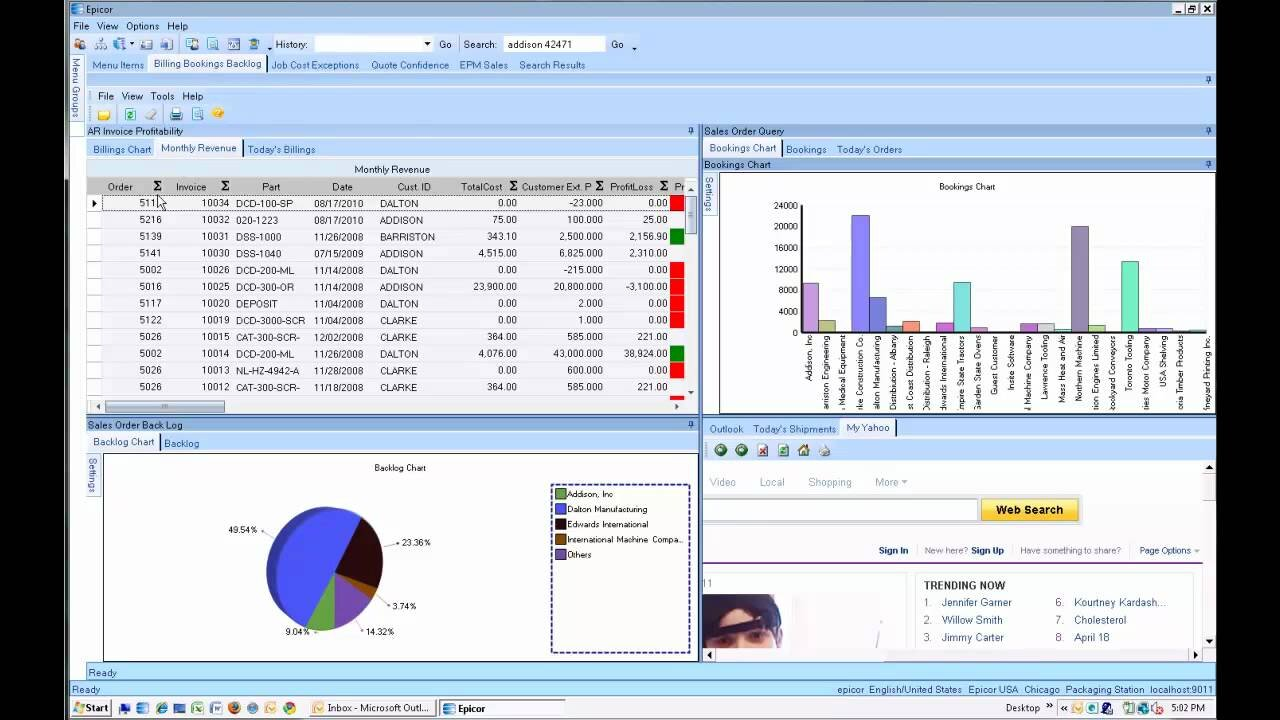
Welcome to the world of ERP systems, where business processes are streamlined and efficiency is key. If you’ve ever wondered about the basics of an ERP system and how it can benefit your organization, you’ve come to the right place. Whether you’re a small business owner or a corporate executive, understanding the fundamentals of an ERP system is crucial in today’s fast-paced business landscape. From managing inventory to tracking financials, an ERP system can revolutionize the way you do business. Let’s dive into the essentials of an ERP system and uncover what you need to know to stay ahead of the competition.
Overview of ERP Systems
ERP stands for Enterprise Resource Planning, which is a software system that helps businesses manage their operations, finances, and resources in an integrated manner. It provides a central repository for all data and processes, allowing departments to access and share information easily. ERP systems automate tasks and streamline workflows, resulting in improved efficiency and productivity.
ERP systems typically include modules for various functions such as accounting, human resources, supply chain management, customer relationship management, and more. These modules are interconnected, allowing data to flow seamlessly across departments and enabling real-time decision-making based on accurate information.
One of the key benefits of an ERP system is the ability to eliminate data silos and ensure data consistency throughout the organization. By storing all data in one place, businesses can avoid duplicate data entry, reduce errors, and improve data accuracy. This not only saves time but also increases the reliability of the information used for decision-making.
Another advantage of ERP systems is their scalability and flexibility. As businesses grow and evolve, their needs change, and an ERP system can adapt to these changes by adding or customizing modules as necessary. This allows businesses to stay agile and responsive to market demands without having to invest in a completely new system.
Furthermore, ERP systems can improve collaboration and communication within an organization. By providing a centralized platform for employees to access and share information, ERP systems promote teamwork and enhance transparency across departments. This can lead to better coordination and alignment of efforts, ultimately contributing to the overall success of the business.
Overall, ERP systems play a vital role in helping businesses streamline their operations, improve efficiency, enhance decision-making, and adapt to changes in the business environment. By integrating various functions into a single system, ERP systems enable businesses to optimize their resources, reduce costs, and drive growth. As technology continues to advance, ERP systems will likely become even more sophisticated, offering new capabilities and opportunities for businesses to stay competitive in an ever-changing market.
Benefits of Implementing an ERP System
Implementing an ERP (Enterprise Resource Planning) system can bring various advantages to a business. In today’s competitive market, it is essential for companies to streamline their processes and improve efficiency in order to stay ahead of the game. Here are some of the key benefits of implementing an ERP system:
1. Improved Efficiency: One of the main benefits of an ERP system is the improved efficiency it brings to business operations. By centralizing data and processes, an ERP system eliminates the need for multiple systems and manual data entry, reducing the risk of errors and saving time. This allows employees to focus on more strategic tasks, leading to increased productivity and overall efficiency.
2. Enhanced Decision-Making: With an ERP system in place, businesses have access to real-time data and accurate information across all departments. This enables managers to make informed decisions quickly, based on up-to-date information. The ability to track and analyze key performance indicators allows companies to identify trends, forecast future performance, and make strategic decisions that drive business growth.
3. Better Customer Service: An ERP system can help improve customer service by providing a centralized database that allows employees to access customer information quickly and efficiently. With all customer data stored in one place, employees can provide personalized service, respond to inquiries promptly, and resolve issues more effectively. This leads to increased customer satisfaction and loyalty, ultimately driving business success.
4. Cost Savings: Implementing an ERP system can lead to cost savings for businesses in various ways. By streamlining processes and reducing manual work, companies can cut down on labor costs and minimize the risk of errors that could result in financial losses. Additionally, with improved efficiency and better decision-making capabilities, businesses can optimize their resources and reduce waste, leading to overall cost savings in the long run.
5. Scalability and Growth: An ERP system is designed to grow with your business, making it easy to scale as your company expands. Whether you are adding new products, entering new markets, or acquiring new customers, an ERP system can adapt to your changing needs and support your growth strategy. This flexibility allows businesses to remain agile and responsive in a rapidly evolving market, positioning them for long-term success.
Overall, the benefits of implementing an ERP system are clear. From improved efficiency and enhanced decision-making to better customer service, cost savings, and scalability, an ERP system can help businesses streamline their operations, drive growth, and stay competitive in today’s dynamic business environment.
Key Features of an ERP System
ERP systems are powerful software tools that integrate various business processes and functions into a centralized system. They offer a wide range of features that can streamline operations, improve efficiency, and provide valuable insights for decision-making. Here are some key features of an ERP system:
1. Integration of Business Processes: One of the main features of an ERP system is its ability to integrate different business processes such as inventory management, order processing, accounting, human resources, and customer relationship management into a single system. This integration helps in eliminating data silos, reducing duplication of work, and improving overall efficiency.
2. Real-Time Data Updates: ERP systems provide real-time updates on various aspects of the business such as inventory levels, sales figures, production schedules, and financial performance. This real-time data helps in making informed decisions quickly and staying ahead of the competition.
3. Advanced Reporting and Analytics: Another important feature of an ERP system is its advanced reporting and analytics capabilities. ERP systems collect and analyze data from different sources to provide insights into various aspects of the business. This data can be used to track key performance indicators, identify trends, and make predictions for future outcomes. With powerful reporting tools, businesses can generate customizable reports and dashboards to monitor performance and make data-driven decisions.
4. Scalability: ERP systems are designed to be scalable and flexible, allowing businesses to easily adapt to changing needs and growth. Whether a company is a small start-up or a large multinational corporation, an ERP system can scale up to accommodate the increasing demands of the business.
5. Security and Compliance: With the increasing threat of cyber-attacks and data breaches, security is a critical feature of an ERP system. ERP systems come with built-in security features such as user authentication, data encryption, and access controls to protect sensitive information. Additionally, ERP systems help in ensuring compliance with industry regulations and standards by providing audit trails and automated compliance checks.
6. Mobile Compatibility: In today’s fast-paced business environment, mobile compatibility is essential for accessing important data and making decisions on the go. Many ERP systems offer mobile apps or web-based interfaces that allow users to access the system from anywhere, anytime. This feature enables remote work, improves productivity, and enhances collaboration among team members.
Overall, an ERP system is a valuable tool for businesses looking to streamline processes, improve efficiency, and make data-driven decisions. By leveraging the key features of an ERP system, businesses can gain a competitive edge in today’s dynamic market.
Common Challenges in Implementing an ERP System
When it comes to implementing an ERP system, organizations often face a number of common challenges that can hinder the success of the project. These challenges can range from issues with data migration to resistance from employees. In order to effectively navigate these obstacles, it is important to be aware of them and have a plan in place to address them.
One of the most common challenges in implementing an ERP system is resistance from employees. Change can be difficult for many people, and introducing a new system that will fundamentally alter the way they work can be met with skepticism and pushback. Employees may be concerned about job security, increased workloads, or simply the fear of the unknown. To combat this resistance, it is important to involve employees in the process from the beginning, communicate openly and transparently about the reasons for the change, and provide adequate training and support to help them adapt to the new system.
Another challenge that organizations often face when implementing an ERP system is data migration. Migrating data from legacy systems to a new ERP platform can be a complex and time-consuming process, requiring careful planning and execution. Issues such as data integrity, compatibility, and completeness can arise during the migration process, leading to errors and inconsistencies in the new system. To mitigate these challenges, organizations should conduct a thorough assessment of their existing data, develop a data migration strategy, and allocate sufficient resources to ensure a smooth transition.
In addition to resistance from employees and data migration challenges, organizations may also encounter difficulties with system integration during an ERP implementation. Many companies use a variety of disparate systems and applications to manage different aspects of their business, and integrating these systems with a new ERP platform can be a daunting task. Incompatible software, data format inconsistencies, and communication barriers between systems can all create roadblocks to successful integration. To address this challenge, organizations should prioritize system compatibility when selecting an ERP solution, work closely with vendors to ensure seamless integration, and conduct thorough testing to identify and resolve any integration issues.
Lastly, one of the key challenges in implementing an ERP system is the cost and time involved in the process. ERP implementations are notorious for exceeding budget and timeline estimates, leading to frustration and disillusionment among stakeholders. In order to avoid cost and time overruns, organizations should carefully plan and budget for all aspects of the implementation, including software licensing fees, training costs, and consulting expenses. It is also important to establish realistic timelines and milestones, and closely monitor progress throughout the project to identify and address any delays or budgetary issues as they arise.
By recognizing and proactively addressing these common challenges, organizations can increase the likelihood of a successful ERP implementation and realize the full benefits of their new system.
Future Trends in ERP Systems
ERP systems are constantly evolving to meet the changing needs of businesses in the digital age. As technology continues to advance, there are several key trends that are shaping the future of ERP systems:
1. Cloud-Based Solutions: One of the biggest trends in ERP systems is the shift towards cloud-based solutions. Cloud ERP offers many benefits, including lower upfront costs, easier scalability, and increased flexibility. With more and more businesses moving their operations to the cloud, this trend is only expected to grow in the coming years.
2. Artificial Intelligence and Machine Learning: AI and machine learning are revolutionizing the way ERP systems operate. These technologies can automate routine tasks, provide valuable insights from data, and improve decision-making processes. As AI continues to advance, we can expect to see even more intelligent ERP systems that can adapt to changing business needs in real-time.
3. Mobile ERP: With the rise of mobile technology, businesses are increasingly looking for ERP systems that can be accessed from anywhere, at any time. Mobile ERP solutions allow employees to access important information on the go, improving productivity and collaboration. This trend is likely to continue as more businesses embrace remote work and flexible schedules.
4. Integration with IoT Devices: The Internet of Things (IoT) is revolutionizing the way businesses collect and analyze data. ERP systems can now integrate with IoT devices to provide real-time insights into operations, supply chains, and customer behavior. This trend is expected to grow as more businesses realize the value of IoT data in improving decision-making processes.
5. Blockchain Technology: One of the most exciting trends in ERP systems is the use of blockchain technology. Blockchain offers a secure and transparent way to record transactions and exchange data, making it an ideal solution for supply chain management, financial transactions, and other critical business processes. By leveraging blockchain technology, ERP systems can provide a higher level of security, efficiency, and trustworthiness in data management.
In conclusion, the future of ERP systems is bright, with cloud-based solutions, AI and machine learning, mobile ERP, IoT integration, and blockchain technology leading the way. As businesses continue to adapt to the digital age, these trends will play a critical role in shaping the next generation of ERP systems.
Originally posted 2025-01-14 04:15:42.