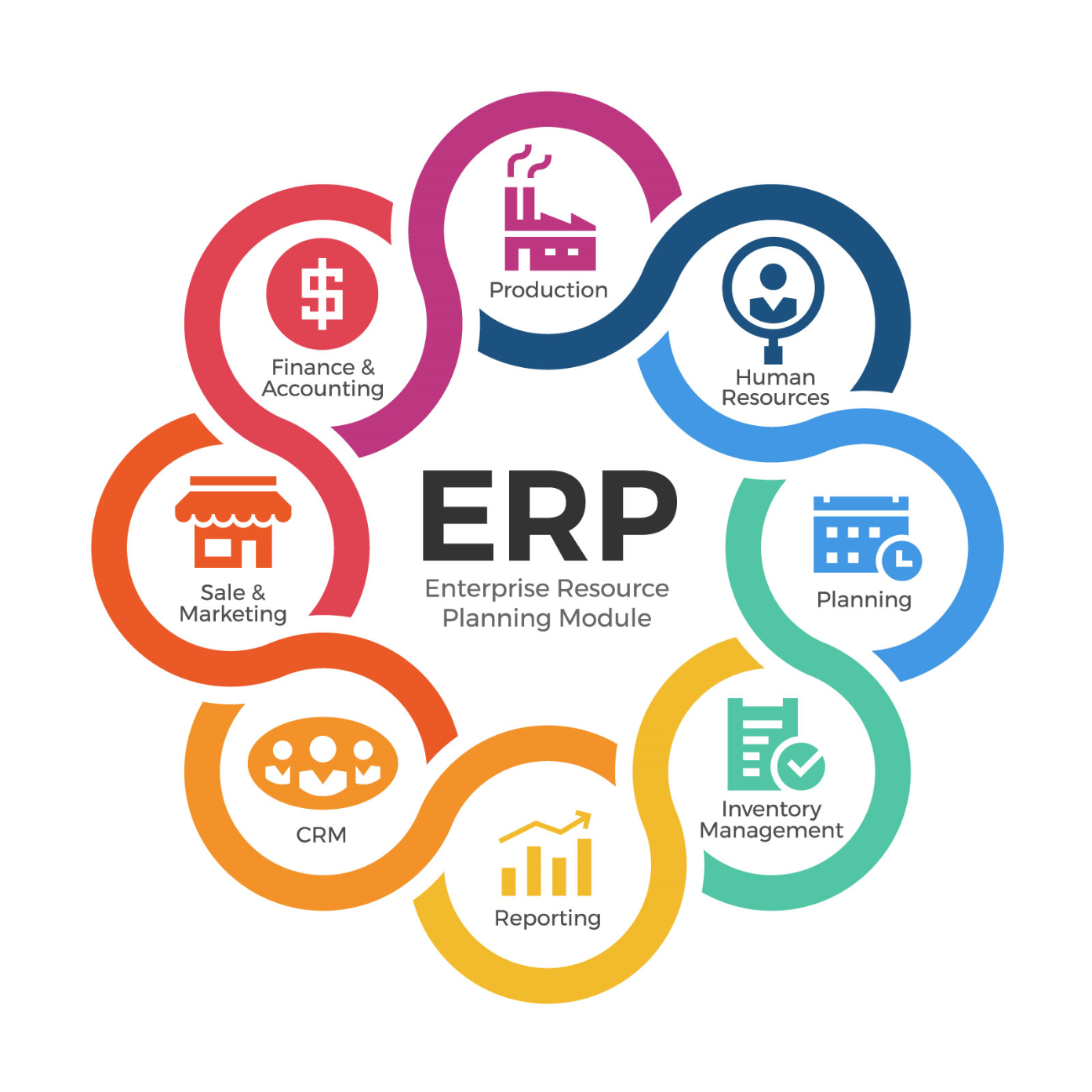
Welcome to a comprehensive guide on Understanding QuickBooks ERP System! Whether you are a small business owner or an accounting professional, navigating through the features and functionalities of QuickBooks ERP can be overwhelming. In this article, we will break down the complexities of this powerful system and provide you with a step-by-step guide on how to leverage its capabilities for your business. So, let’s dive in and demystify the world of QuickBooks ERP together!
What is QuickBooks ERP System?
QuickBooks ERP System is a comprehensive software solution designed for small and medium-sized businesses to help them manage their finances, operations, and customer relationships more efficiently. ERP, which stands for Enterprise Resource Planning, refers to a system that integrates various aspects of a business into one cohesive platform. QuickBooks ERP System specifically focuses on financial management, inventory tracking, customer relationship management, and reporting.
One of the key features of QuickBooks ERP System is its ability to automate and streamline many of the day-to-day tasks that businesses face. This includes tasks such as invoicing, payroll processing, inventory management, and financial reporting. By centralizing all of these functions into one system, businesses can save time and reduce errors that can arise from manual data entry.
Another important aspect of QuickBooks ERP System is its scalability. As businesses grow and evolve, their needs will also change. QuickBooks ERP System is designed to be flexible and adaptable, allowing businesses to add new features and modules as they expand. This ensures that the software can grow alongside the business and continue to meet its changing requirements.
Furthermore, QuickBooks ERP System offers advanced reporting and analytics capabilities. Businesses can generate detailed reports on various aspects of their operations, such as sales performance, inventory turnover, and financial forecasts. This information can help businesses make more informed decisions and identify areas for improvement.
In addition, QuickBooks ERP System provides a comprehensive view of the customer relationship management (CRM) process. By tracking customer interactions, preferences, and purchase history, businesses can better understand their customers and tailor their marketing efforts accordingly. This can lead to increased customer satisfaction and loyalty, ultimately driving sales and revenue growth.
Overall, QuickBooks ERP System is a powerful tool that can help businesses streamline their operations, improve efficiency, and make more informed decisions. By centralizing financial management, inventory tracking, customer relationship management, and reporting functions into one platform, businesses can save time, reduce errors, and drive growth. With its scalability and advanced features, QuickBooks ERP System is an essential tool for any small or medium-sized business looking to optimize their operations.
Benefits of Using QuickBooks ERP System
QuickBooks is a popular ERP system that provides numerous benefits to businesses of all sizes. Here are some key advantages of using QuickBooks ERP system:
1. Streamlined Business Processes: QuickBooks ERP system helps automate and streamline various business processes such as accounting, inventory management, and sales tracking. This reduces the need for manual data entry and minimizes human error, leading to more accurate financial reporting and improved efficiency.
2. Enhanced Inventory Management: One of the standout features of QuickBooks ERP system is its advanced inventory management capabilities. Businesses can easily track their inventory levels in real-time, monitor stock movements, and generate reports to analyze sales trends. This helps businesses make informed decisions about stock replenishment, identify slow-moving items, and prevent stock outs.
Furthermore, QuickBooks ERP system allows businesses to set up reorder points, automate purchase orders, and manage multiple warehouses efficiently. This enables businesses to optimize their inventory levels, reduce carrying costs, and improve overall supply chain management.
3. Improved Financial Visibility: With QuickBooks ERP system, businesses can gain better insight into their financial health. The system consolidates financial data from different departments and provides a comprehensive view of key performance indicators such as revenue, expenses, and profit margins. This allows businesses to make data-driven decisions, identify cost-saving opportunities, and forecast future financial performance accurately.
4. Scalability and Flexibility: QuickBooks ERP system is highly scalable and can easily accommodate the growing needs of businesses. Whether a business has a few employees or hundreds, QuickBooks can be customized to meet specific requirements and support business growth. Additionally, QuickBooks offers a wide range of add-ons and integrations to extend its functionality, enabling businesses to tailor the system to their unique needs.
5. Enhanced Reporting and Analytics: QuickBooks ERP system provides robust reporting and analytics tools that allow businesses to generate custom reports, charts, and dashboards. Businesses can track key performance metrics, identify trends, and monitor the effectiveness of their strategies in real-time. This helps businesses measure their progress towards goals, spot potential issues early on, and make data-driven decisions to drive business success.
Overall, QuickBooks ERP system offers many benefits to businesses, including streamlined business processes, enhanced inventory management, improved financial visibility, scalability, and flexibility, and advanced reporting and analytics capabilities. By leveraging these advantages, businesses can optimize their operations, increase efficiency, and achieve sustainable growth in today’s competitive market.
Features of QuickBooks ERP System
QuickBooks ERP system comes with a range of features that make it a popular choice for businesses looking to streamline their operations and increase efficiency. Some of the key features of QuickBooks ERP system include:
1. Financial Management: QuickBooks ERP system offers robust financial management tools that allow businesses to keep track of their income, expenses, and cash flow. With features such as customizable financial reports, automated invoicing, and online payment processing, businesses can easily manage their finances and make informed decisions.
2. Inventory Management: QuickBooks ERP system includes powerful inventory management capabilities that help businesses optimize their inventory levels, reduce stockouts, and improve order fulfillment. With features such as real-time inventory tracking, automated reorder points, and barcode scanning, businesses can streamline their inventory management processes and minimize costly errors.
3. Advanced Reporting and Analytics: One of the standout features of QuickBooks ERP system is its advanced reporting and analytics capabilities. Businesses can access a wide range of pre-built reports and dashboards that provide insights into key performance metrics, such as sales trends, customer behavior, and financial performance. With customizable reporting tools and real-time data analytics, businesses can gain a deeper understanding of their operations and make data-driven decisions.
4. Customer Relationship Management (CRM): QuickBooks ERP system includes integrated CRM functionality that helps businesses build stronger relationships with their customers. With features such as contact management, lead tracking, and sales pipeline management, businesses can better track and manage their interactions with customers, leading to improved customer satisfaction and loyalty.
5. Workflow Automation: QuickBooks ERP system offers workflow automation tools that help businesses streamline repetitive tasks and improve productivity. With features such as automated email notifications, approval workflows, and task reminders, businesses can automate routine processes and focus on more strategic activities.
6. Scalability and Customization: QuickBooks ERP system is highly scalable and customizable, making it suitable for businesses of all sizes and industries. Businesses can easily add new users, modules, and customizations as their needs evolve, ensuring that the system grows with their business.
Overall, QuickBooks ERP system offers a comprehensive set of features that enable businesses to streamline their operations, improve efficiency, and drive growth. With its financial management tools, inventory management capabilities, advanced reporting and analytics, CRM functionality, workflow automation, and scalability, QuickBooks ERP system is a valuable asset for businesses looking to stay competitive in today’s fast-paced business environment.
How to Implement QuickBooks ERP System for Your Business
Implementing a QuickBooks ERP system for your business can be a daunting task, but with proper planning and execution, you can streamline your operations and improve efficiency. Here are some steps to help you successfully implement QuickBooks ERP system for your business:
1. Define your business requirements: Before implementing any ERP system, it is crucial to clearly define your business requirements. This step involves identifying the key functionalities and features you need in an ERP system to meet your business goals. Take the time to assess your current processes and workflows to determine what areas need improvement.
2. Choose the right QuickBooks ERP solution: Once you have a clear understanding of your business requirements, it is time to choose the right QuickBooks ERP solution for your business. QuickBooks offers a range of ERP systems that cater to different business sizes and industries. Consider factors such as scalability, functionality, and cost when selecting the software that best fits your needs.
3. Plan the implementation process: Creating a detailed implementation plan is essential for a successful ERP system deployment. This plan should outline key milestones, timelines, and responsibilities to ensure that the implementation process stays on track. It is also important to communicate the implementation plan to all stakeholders involved to set expectations and foster collaboration.
4. Provide sufficient training and support: One of the key factors for a successful ERP implementation is providing sufficient training and support to your employees. Many businesses overlook this step, leading to resistance and frustration among staff members. Make sure to offer comprehensive training sessions for all users of the ERP system and provide ongoing support to address any issues or questions that may arise. Investing in training and support upfront will pay off in the long run by increasing user adoption and maximizing the benefits of the ERP system.
5. Execute a pilot program: Before rolling out the ERP system across your entire organization, consider running a pilot program with a small group of users. This will allow you to test the system in a controlled environment and address any issues or concerns before full deployment. Use feedback from the pilot program to make any necessary adjustments and ensure a smooth transition for all users.
6. Monitor and evaluate the implementation: Once the ERP system is up and running, it is important to monitor its performance and evaluate its impact on your business operations. Keep track of key metrics such as productivity, efficiency, and user satisfaction to measure the success of the implementation. Make adjustments as needed to optimize the system and maximize its benefits for your business.
By following these steps and investing time and resources into the implementation process, you can successfully implement a QuickBooks ERP system for your business and reap the benefits of improved efficiency, streamlined operations, and better decision-making capabilities.
Comparing QuickBooks ERP System with Other ERP Systems
When it comes to choosing an ERP system for your business, QuickBooks is often a popular choice. However, it’s important to understand how QuickBooks stacks up against other ERP systems in the market. Let’s take a closer look at some key factors to consider when comparing QuickBooks with other ERP systems:
1. Cost: One of the biggest considerations when choosing an ERP system is the cost. QuickBooks is known for being a more affordable option compared to other ERP systems like SAP or Oracle. This makes it a popular choice for small to mid-sized businesses with limited budgets.
2. Scalability: Another important factor to consider is scalability. QuickBooks is designed to grow with your business, but it may not be as robust as other ERP systems when it comes to handling large amounts of data or complex operations. If your business is rapidly expanding or has complex requirements, you may need to consider a more advanced ERP system.
3. Integration: Integration with other software systems is crucial for efficiency and productivity. QuickBooks offers a range of integrations with popular applications like Microsoft Office, Salesforce, and Shopify. However, other ERP systems may offer more extensive integration capabilities with a wider range of software solutions.
4. Customization: Every business has unique processes and requirements, so the ability to customize your ERP system is essential. QuickBooks offers some level of customization through add-ons and plugins, but it may not be as flexible as other ERP systems that allow for more extensive customization to fit your specific needs.
5. User Experience: User experience is a key factor in the success of any ERP system. QuickBooks is known for its user-friendly interface and ease of use, making it a popular choice for businesses with limited technical expertise. Other ERP systems may have more complex interfaces and require more training for users to get comfortable with the system.
Overall, when comparing QuickBooks ERP system with other ERP systems, it’s important to consider factors such as cost, scalability, integration, customization, and user experience. Depending on your business’s specific requirements and budget, you may find that QuickBooks is the right choice for your needs or you may need to explore other ERP systems that offer more advanced features and capabilities.
Originally posted 2025-01-13 08:37:29.