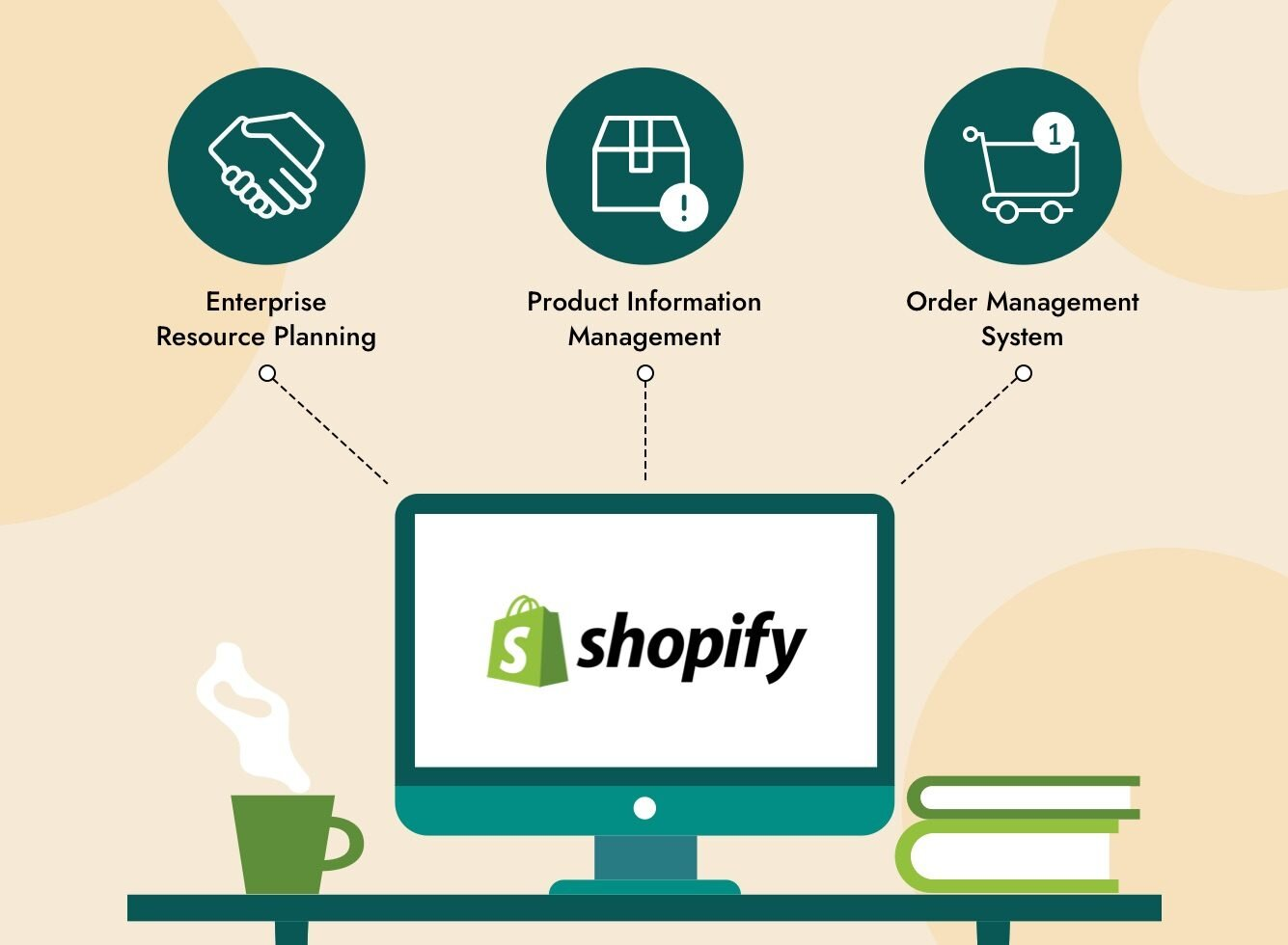
Welcome to the world of ERP systems! If you’ve ever wondered what ERP stands for and how it can benefit your business, you’re in the right place. ERP, or Enterprise Resource Planning, is a type of software that helps companies manage their resources, streamline processes, and improve overall efficiency. Whether you’re a small startup or a large corporation, implementing an ERP system can revolutionize the way you do business. Let’s dive into the basics of ERP systems and discover how they can take your company to the next level.
Evolution of ERP systems
Enterprise Resource Planning (ERP) systems have come a long way since their inception in the 1960s. Originally developed as a way to streamline manufacturing processes, ERP systems have evolved to become comprehensive business management tools that integrate various departments and functions within an organization.
In the early days, ERP systems were primarily focused on automating back-office processes such as inventory management, production planning, and financial accounting. These systems were often standalone software solutions that required significant customization to meet the specific needs of a business.
As technology advanced, ERP systems began to incorporate more features and functionalities, such as customer relationship management (CRM), human resources management, and supply chain management. This shift towards a more holistic approach to business management led to the integration of different modules within the ERP system, allowing for better communication and data sharing between various departments.
With the advent of the internet and cloud computing, ERP systems underwent another transformation. Cloud-based ERP solutions became increasingly popular due to their flexibility, scalability, and cost-effectiveness. Organizations could now access their ERP system from anywhere with an internet connection, allowing for remote work and real-time data updates.
Today, ERP systems are highly sophisticated platforms that offer a wide range of features and capabilities. Artificial intelligence, machine learning, and predictive analytics are now being integrated into ERP systems, enabling organizations to make more informed decisions and optimize their business processes.
Mobile applications have also become an integral part of ERP systems, allowing employees to access important data and perform tasks on the go. This increased flexibility and convenience have made ERP systems even more valuable to organizations of all sizes.
Looking ahead, the future of ERP systems is likely to be shaped by emerging technologies such as blockchain, the Internet of Things (IoT), and virtual reality. These technologies have the potential to further revolutionize how businesses manage their operations and resources.
In conclusion, the evolution of ERP systems has been marked by continuous innovation and adaptation to changing business needs. From humble beginnings as simple manufacturing tools to comprehensive business management solutions, ERP systems have come a long way and will continue to evolve as technology advances.
Benefits of implementing an ERP system
Implementing an Enterprise Resource Planning (ERP) system can provide a wide range of benefits for businesses of all sizes. One of the major advantages of an ERP system is that it helps to streamline processes and improve efficiency within an organization. By integrating various departments and functions onto a single platform, an ERP system can help to eliminate duplicate data entry, reduce errors, and improve communication between different departments. This can save time and resources, allowing employees to focus on more strategic tasks rather than spending their time on manual processes.
Another benefit of implementing an ERP system is improved data visibility and reporting capabilities. With all of the company’s data stored in one centralized location, it becomes easier to access real-time information and generate accurate reports. This can help management make better informed decisions and quickly respond to changing market conditions. Additionally, an ERP system can provide insight into key performance indicators (KPIs) and allow for forecasting and planning based on historical data.
Furthermore, an ERP system can enhance collaboration and communication within an organization. By breaking down silos between departments and providing a single source of truth, employees can work together more effectively towards common goals. This can lead to improved productivity, customer satisfaction, and overall business performance. In addition, an ERP system can facilitate remote work and allow employees to access data from anywhere, at any time, increasing flexibility and efficiency.
One of the most significant benefits of implementing an ERP system is cost savings. While the initial investment in an ERP system may seem daunting, the long-term benefits far outweigh the costs. By streamlining processes, reducing manual labor, and improving decision-making capabilities, an ERP system can help businesses save money in the long run. Additionally, an ERP system can help to identify areas of inefficiency and waste, allowing organizations to make better use of their resources and allocate budgets more effectively.
Finally, implementing an ERP system can help businesses stay competitive in today’s fast-paced and rapidly changing business environment. By providing a foundation for growth and scalability, an ERP system can help businesses adapt to new market trends, expand into new markets, and enhance their overall competitive advantage. In conclusion, the benefits of implementing an ERP system are numerous and can have a positive impact on all aspects of a business.
Common challenges in ERP system implementation
Implementing an ERP system can be a complex and challenging process for organizations of all sizes. While the benefits of implementing an ERP system are vast, there are several common challenges that companies often face during the implementation process.
1. Resistance to change
One of the most common challenges in ERP system implementation is resistance to change. Employees may be comfortable with their current processes and systems, and may be reluctant to adopt new technology. This resistance can manifest in various ways, such as a lack of engagement with training programs or a lack of enthusiasm for the new system.
2. Data migration issues
Another common challenge in ERP system implementation is data migration issues. Migrating data from existing systems to the new ERP system can be a complex and time-consuming process. Companies may face issues such as data loss, data corruption, or data inconsistency during the migration process. These issues can impact the functionality of the new system and hinder the success of the implementation.
3. Integration problems
Integration problems are another common challenge that organizations face during ERP system implementation. Integrating the new ERP system with existing systems and applications can be a major hurdle for companies. Different systems may use different data formats or communication protocols, making integration difficult. Companies may also struggle with integrating the new system with third-party applications or cloud services. These integration problems can lead to delays in the implementation timeline and can impact the overall success of the project.
4. Lack of executive buy-in
Lack of executive buy-in is another challenge that companies may face during ERP system implementation. Executives play a crucial role in driving the success of an ERP implementation project. If executives do not fully support the project or do not prioritize it within the organization, the project may face obstacles such as budget constraints or resource limitations. It is essential for executives to champion the project and provide the necessary support and resources for a successful implementation.
5. Poor project management
Poor project management is another common challenge in ERP system implementation. A lack of clear project scope, timeline, and goals can lead to project delays, cost overruns, and ultimately project failure. Companies must have strong project management practices in place to ensure that the implementation stays on track and meets its objectives. This includes defining clear roles and responsibilities, setting achievable milestones, and managing risk effectively.
In conclusion, ERP system implementation can be a challenging process for organizations, but by being aware of these common challenges and implementing strategies to address them, companies can increase their chances of a successful implementation. By overcoming resistance to change, addressing data migration issues, resolving integration problems, securing executive buy-in, and improving project management practices, organizations can ensure a smooth and effective ERP implementation.
Key features to consider when selecting an ERP system
When selecting an ERP system for your business, there are several key features that you should consider in order to ensure that the system meets your specific needs and requirements. Some of the key features that you should look for include:
1. Scalability: One of the most important features to consider when selecting an ERP system is scalability. Your business is likely to grow and evolve over time, so it is important to choose a system that can grow with your business. Look for an ERP system that is easily scalable and can accommodate an increase in users, transactions, and data without causing any disruptions to your operations.
2. Customization: Every business is unique, with its own set of processes, workflows, and requirements. It is essential to select an ERP system that can be easily customized to meet the specific needs of your business. Look for a system that allows you to tailor the software to suit your business processes and workflows, rather than having to adapt your processes to fit the system.
3. Integration capabilities: In today’s digital age, businesses rely on a variety of software applications to manage different aspects of their operations. It is crucial to select an ERP system that has strong integration capabilities, allowing it to seamlessly integrate with other software applications that your business uses. This will help to streamline your operations and improve efficiency by ensuring that all systems work together seamlessly.
4. Reporting and analytics: One of the key benefits of an ERP system is its ability to provide real-time data and insights that can help you make informed business decisions. When selecting an ERP system, look for one that offers robust reporting and analytics capabilities. This will allow you to track key performance indicators, analyze trends, and generate custom reports that provide valuable insights into your business performance. Additionally, look for a system that offers customizable dashboards and visualizations that make it easy to interpret and act on your data.
5. User-friendly interface: An ERP system is only as effective as the people who use it. It is essential to select a system that has a user-friendly interface that is easy to navigate and understand. A system with an intuitive interface will help to minimize training time for users and increase adoption rates within your organization. Look for a system that offers a clean, organized layout and customizable dashboards that can be tailored to the needs of individual users.
In conclusion, selecting the right ERP system for your business is a crucial decision that can have a significant impact on your operations. By considering key features such as scalability, customization, integration capabilities, reporting and analytics, and user-friendly interface, you can ensure that you choose a system that meets your specific needs and helps your business thrive.
The future of ERP systems
ERP systems have come a long way since their inception. With advancements in technology and the changing business landscape, the future of ERP systems looks promising. Here are some trends that are shaping the future of ERP systems:
1. Cloud-based ERP systems: Cloud-based ERP systems are becoming increasingly popular due to their flexibility and scalability. Organizations are moving towards cloud-based ERP systems as they offer easy access to data from anywhere, at any time. This allows for better collaboration among teams and real-time insights into business operations.
2. Artificial intelligence and machine learning: AI and machine learning are revolutionizing the way ERP systems work. These technologies can analyze data, predict outcomes, and automate repetitive tasks, making ERP systems more efficient and productive. With AI and machine learning, ERP systems can provide valuable insights and recommendations to help businesses make better decisions.
3. Mobile ERP: With the rise of remote work and the proliferation of mobile devices, mobile ERP solutions are becoming essential for businesses. Mobile ERP apps allow employees to access important business data on the go, enabling them to make informed decisions quickly. Mobile ERP also enhances productivity and collaboration among teams, leading to better business outcomes.
4. Integration with other technologies: ERP systems are no longer siloed solutions. They are now being integrated with other technologies such as IoT, blockchain, and big data analytics to provide a more holistic view of business operations. By integrating with these technologies, ERP systems can offer more comprehensive insights and enable businesses to make smarter decisions.
5. Personalization and customization: The future of ERP systems lies in personalization and customization. Businesses are demanding ERP systems that are tailored to their specific needs and requirements. This trend is leading to the development of more flexible and customizable ERP solutions that can be easily adapted to meet the unique needs of each organization. Personalized ERP systems not only improve user experience but also enhance overall productivity and efficiency within the organization.
In conclusion, the future of ERP systems is bright and full of possibilities. With advancements in technology such as cloud computing, AI, and mobile solutions, ERP systems are becoming more efficient, flexible, and user-friendly. By embracing these trends and leveraging them to their advantage, businesses can stay ahead of the competition and achieve their strategic goals.
Originally posted 2025-01-17 01:21:45.